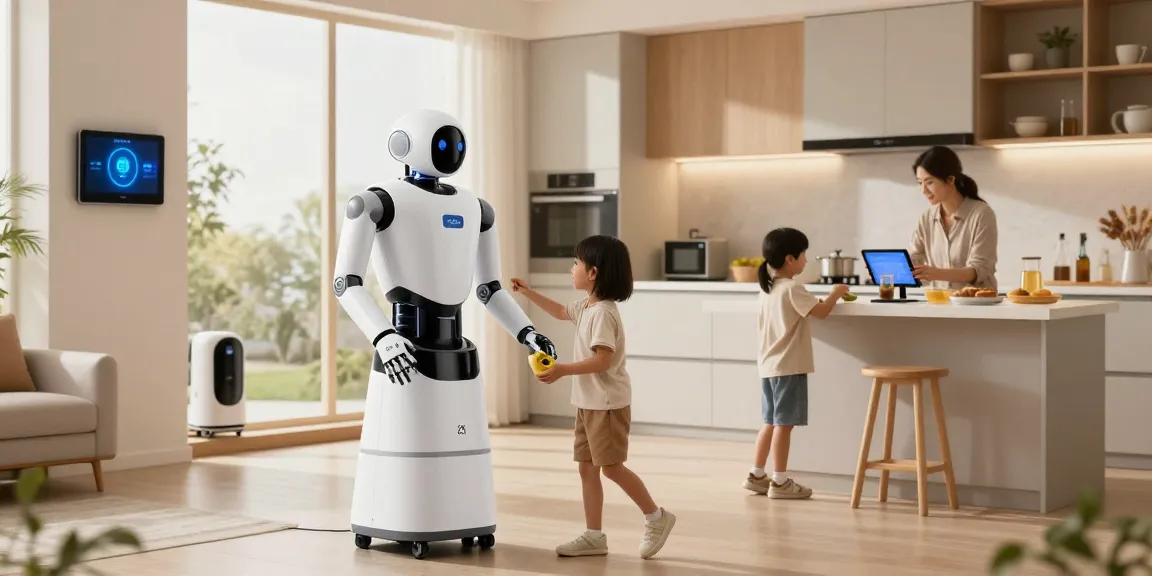
Introduction to Home Robots 2026
The future is here, and it’s robotic! As we step into 2026, the field of home robotics has transformed remarkably, merging advanced technology with everyday convenience. From smart assistants that tackle household chores to companions designed for social interaction, home robots are changing how we live and work within our homes. With innovations from leading tech giants and start-ups alike, these machines are becoming essential fixtures in modern households. When exploring options, home robot 2026 promises a plethora of choices that enhance both functionality and joy in our daily routine.
What is a Home Robot?
A home robot is an automated machine designed to assist with tasks typically performed by humans within a household setting. These robots can range from simple robotic vacuum cleaners to more complex systems capable of performing various chores, such as cooking, cleaning, and even companionship. In essence, they are designed to ease the workload of homeowners, allowing for more leisure time and less manual effort in managing daily responsibilities.
Importance of Home Robots in Daily Life
The importance of home robots extends far beyond mere convenience. They contribute significantly to improved quality of life, especially for individuals with disabilities or the elderly who may struggle with daily tasks. Furthermore, as our lives grow busier, the assistance provided by these robots allows families to spend more time together, reducing stress and enhancing overall well-being. Embracing robotics within the home is not just about efficiency; it’s about fostering a lifestyle that prioritizes time, health, and happiness.
Overview of Current Innovations
With 2026 upon us, innovative designs and functionalities have emerged, setting the stage for a new era in home robotics. Companies like LG and 1X are at the forefront, introducing humanoid robots that can perform various household tasks—from folding laundry to preparing meals. AI integration has also enhanced these devices' learning capabilities, allowing them to adapt to user preferences. The landscape of home robots is evolving rapidly, making it essential for consumers to stay informed and choose wisely.
Key Features of Home Robots in 2026
Robotic Capabilities for Household Chores
In 2026, home robots are equipped with sophisticated capabilities that allow them to handle an array of household chores. Advanced sensors and artificial intelligence enable these robots to navigate homes intelligently, recognize obstacles, and interact with household objects. For example, the LG CLOiD can autonomously cook meals, clean surfaces, and even sort laundry, demonstrating the leap in functional technology. The versatility of these machines allows them to multitask effectively, providing comprehensive assistance throughout different areas of the home.
Smart Home Integration and Connectivity
Modern home robots are designed to integrate seamlessly into smart home ecosystems. With connectivity options via Wi-Fi and Bluetooth, users can control their robotic helpers through smart devices or voice commands. This level of connectivity not only enhances convenience but also enables robots to receive software updates, improving performance and adding new features over time. The compatibility of home robots with platforms like Google Home and Amazon Alexa exemplifies the shift toward unified smart living environments.
User-Friendly Interfaces and Controls
User-friendliness is a pivotal factor in the design of home robots. The most successful models feature intuitive interfaces that allow for easy setup and operation, even for those who may not be tech-savvy. Touch screens, mobile apps, and voice commands simplify interaction, ensuring that users can maximize the benefits of their robotic companions without the hassle of complicated technology. Additionally, many robots now come with tutorial features that guide users through their functionalities, promoting a more engaging experience.
Comparing Popular Home Robots of 2026
NEO vs. LG CLOiD: Feature Comparison
The NEO home robot from 1X and LG's CLOiD represent two leading options in the market for 2026. NEO is designed primarily for chore automation, offering features like a customizable schedule for cleaning tasks and built-in AI for personalizing user experiences. Conversely, the LG CLOiD is more of a multifunctional household assistant, capable of handling a wider range of tasks, including meal preparation and companionship functions. Users will need to assess their particular needs to determine which robot aligns best with their expectations.
Price Range and Value Assessment
As with any innovative technology, price is a critical consideration. The NEO home robot typically retails around $20,000, which positions it as a premium option in the market. On the other hand, LG's CLOiD may offer more expansive features, justifying a similar price point. It's crucial for consumers to evaluate the long-term value these robots provide: the time saved on chores, enhanced quality of life, and potential cost savings on household help can often outweigh the initial investment.
User Reviews and Satisfaction
User feedback is invaluable when it comes to assessing the real-world performance of home robots. Early reviews for both the NEO and LG CLOiD have praised their efficiency, with users highlighting the significant time savings and ease of use. However, some users report initial setup challenges or have noted the need for regular updates to maintain optimal functionality. Overall, satisfaction levels remain high, indicating that these devices are meeting consumer expectations in a rapidly evolving market.
Challenges and Considerations for Home Robot Owners
Addressing Common Misconceptions
Despite their advancements, several misconceptions persist regarding home robots. A common belief is that robots will fully replace human labor; however, the reality is that they are designed to assist rather than take over tasks. Understanding the limitations of current technology is essential for setting realistic expectations and ensuring that home robots are used effectively within the household.
Maintenance and Upgrades for Longevity
Regular maintenance is crucial for the longevity of home robots. Users should be aware of the need to clean sensors, update software, and occasionally recalibrate their devices to ensure they continue to function optimally. Many manufacturers offer extended warranties and maintenance plans to assist owners in keeping their robots in peak condition.
Privacy and Security Considerations
As with all connected devices, privacy and security pose significant concerns. Home robots often collect data to improve user experiences, which raises questions about data protection and cybersecurity. Owners should familiarize themselves with the privacy policies of their devices and take necessary precautions, such as using secure networks and enabling two-factor authentication where available.
The Future of Home Robots Beyond 2026
Trends in Robotics and AI Development
Looking beyond 2026, we can expect continued advancements in robotics and artificial intelligence. Machine learning will enable home robots to become even more intuitive, understanding household routines and preferences to enhance their assistance. Moreover, with advancements in natural language processing, future robots may communicate more effectively with family members, becoming more akin to companions than mere appliances.
Potential for Broader Adoption
The potential for broader adoption of home robots remains high as prices gradually decrease and functionality expands. As technology becomes more accessible, more households will be able to benefit from robotic solutions, addressing labor shortages particularly in caregiving and household maintenance sectors. The expanding demographic of tech-savvy consumers will also drive demand for these innovations.
Expert Predictions and Insights
Experts predict that by 2030, home robots will be fully integrated into the fabric of daily life. Innovations will likely lead to the creation of multifunctional robots capable of more complex interactions, including emotional support and companionship. As society embraces automation and AI, we may see a future where every household benefits from having a robot assistant, fundamentally changing how we perceive and interact with technology in our daily environments.